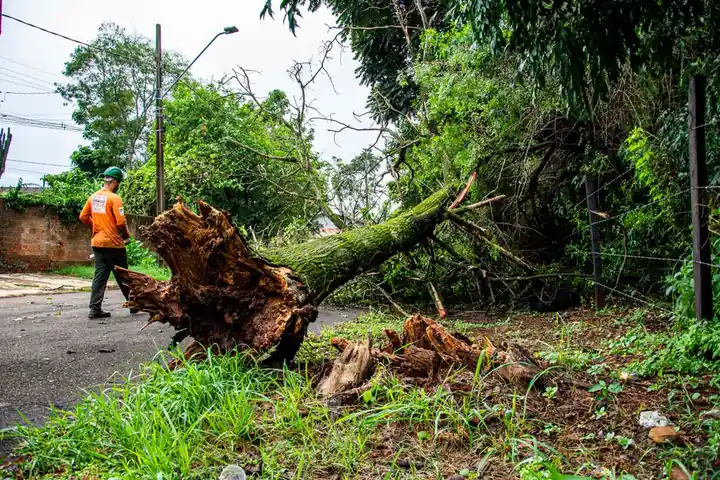
Fast extraction, structural drying, and mold prevention for Newark homes
Storm Water Damage Cleanup Newark DE
When a storm pushes water into your basement or a burst pipe soaks your subfloor, storm water damage cleanup Newark DE has to start before mold does. We run 24/7 crews across New Castle County with truck-mounted extraction units, thermal imaging cameras, and IICRC-certified drying techs. Most Newark jobs get water out and drying equipment running the same day you call.
Live dispatcherUpfront optionsBacked workmanship
What's included
What Storm Water Damage Cleanup Includes
Every storm water damage cleanup Newark DE job starts with a full inspection and includes extraction, drying, and documentation. What varies is how much material has to come out and how long drying takes. We tell you that upfront before we start pulling anything apart.
Emergency Water Extraction
Truck-mounted extraction units and submersible pumps remove standing water from basements, crawl spaces, and living areas. We pull water from carpet, padding, and hard surfaces, then check wall cavities for hidden moisture with a moisture meter.
Structural Drying Setup
We calculate air mover and dehumidifier placement based on room dimensions and material type. Dri-Eaz and Phoenix Restoration Equipment units run until moisture readings hit dry standard, usually 3 to 5 days for most Newark residential jobs.
Antimicrobial Application
After extraction, we apply antimicrobial solution to affected framing, drywall edges, and subfloor panels. This slows mold growth while the structure dries, which matters most in the first 48 hours after a storm flood.
Moisture Monitoring and Reports
We take daily moisture meter and hygrometer readings and log them. You get a final drying report with photos and readings, which is exactly what your insurance adjuster needs to close the claim without a second inspection.
Insurance Documentation
We build an Xactimate-ready scope with room-by-room measurements, affected materials, and equipment logs. That gives your carrier the numbers they need and reduces the chance of a denied or delayed storm water damage repair Newark claim.
Service overview
Storm Water Damage Cleanup Newark DE
Storm water damage cleanup Newark DE is the process of removing standing water, extracting saturated materials, and drying the structure back to pre-loss moisture levels after a storm, flood, or plumbing failure. It is not a shop-vac job. We use moisture meters and thermal imaging cameras to map hidden water inside walls and under floors, then pull it out with water extraction units and submersible pumps before mold has a chance to colonize.
Newark sits between the Christina River watershed and older storm sewer infrastructure, so heavy rain events in October and spring nor'easters regularly push water into basements along Dayton Street and the University Heights area. If your sump pump quits at 2 a.m. or a roof leak soaks your ceiling, storm damage cleanup near me Newark DE searches spike the next morning. We answer those calls with the same crew that handles emergency storm water removal Newark Delaware.
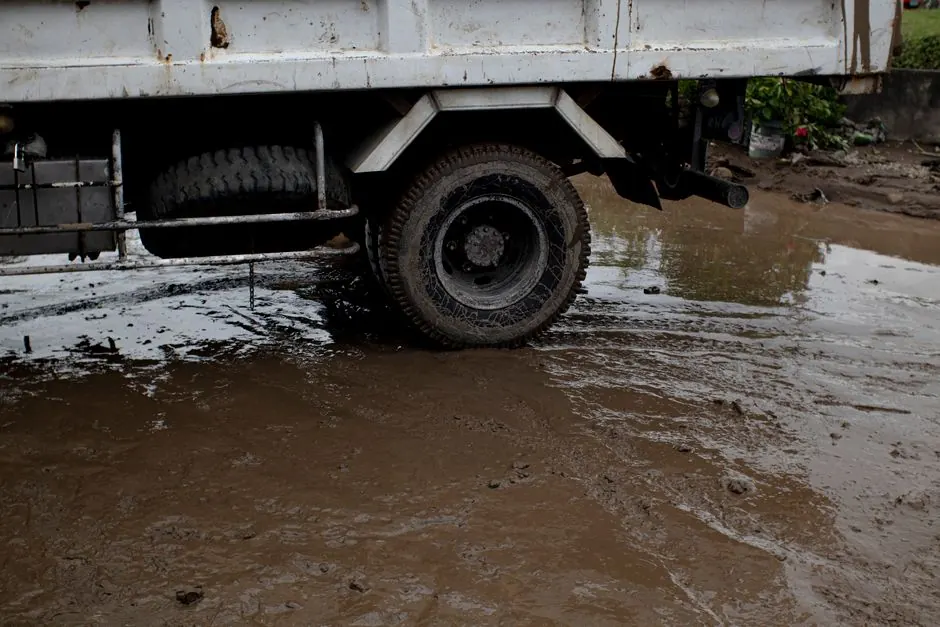
How we workWe verify the cause, compare realistic options, and confirm the repair before we leave.
The service timeline
What Our Storm Cleanup Process Looks Like
The process flexes to the condition, but these checkpoints keep decisions clear.
Call and Dispatch
You call (302) 471-8666 and talk to a real person, not a voicemail. We ask what happened, where the water is, and whether power is safe. A crew rolls from our Newark staging point with extraction equipment loaded, usually arriving within 60 to 90 minutes for emergency calls in the 19711 and 19713 ZIP codes.
Inspection and Mapping
We walk the property with a moisture meter, infrared thermometer, and bore scope camera to find water you cannot see. That includes checking behind baseboards, under hardwood, and inside wall cavities. You get a written scope of affected areas before we start pulling anything apart.
Water Extraction
Standing water comes out first using submersible pumps and wet/dry vacuums, then truck-mounted extraction units pull water from carpet and padding. For sewage backup or storm flooding, we remove contaminated porous materials and bag them for disposal. This stage typically takes 2 to 5 hours depending on volume.
Structural Drying
We set air movers and dehumidifiers in a calculated pattern based on room size and material type. Hardwood floor water damage drying and subfloor water damage drying usually run 3 to 5 days. We check readings daily and adjust equipment placement until moisture content matches a dry standard for your area.
Final Verification
Before we pull a single air mover, we take final moisture readings and compare them to our baseline. You get a drying report with daily logs and photos. If any material still reads high, we keep drying. We do not close a job on a guess, and we do not leave until the numbers are right.
Tools & methods
Tools and Methods We Use
Purpose-built equipment, used by trained technicians, so the job is done accurately the first time.
Thermal Imaging Camera
Finds hidden water behind walls and under floors by reading temperature differences. It tells us where to cut and where to set drying equipment without tearing apart a whole room.
Moisture Meter and Hygrometer
Measures moisture content in wood, drywall, and subfloor panels, and tracks relative humidity in the air. We log readings daily to confirm the structure is actually drying.
Truck-Mounted Water Extraction Unit
Pulls hundreds of gallons per hour from carpet, padding, and hard surfaces. This is the fastest way to get standing water out of a flooded basement or living area.
Submersible Pump
Removes deep standing water from basements and crawl spaces before extraction equipment can reach it. Essential when storm flooding leaves more than an inch or two on the floor.
Dri-Eaz and Phoenix Restoration Equipment Dehumidifiers
Desiccant and refrigerant units pull moisture out of the air so wet materials can release water. We size them to the cubic footage of the affected space and run them until humidity stays below 50 percent.
Bore Scope Camera
Lets us look inside wall cavities without full demolition. We use it to confirm water paths and check for mold growth behind baseboards and inside cabinet bases.
Use cases
When to Call for Storm Water Cleanup
These examples show how the service framework adapts rather than forcing every call through one repair.
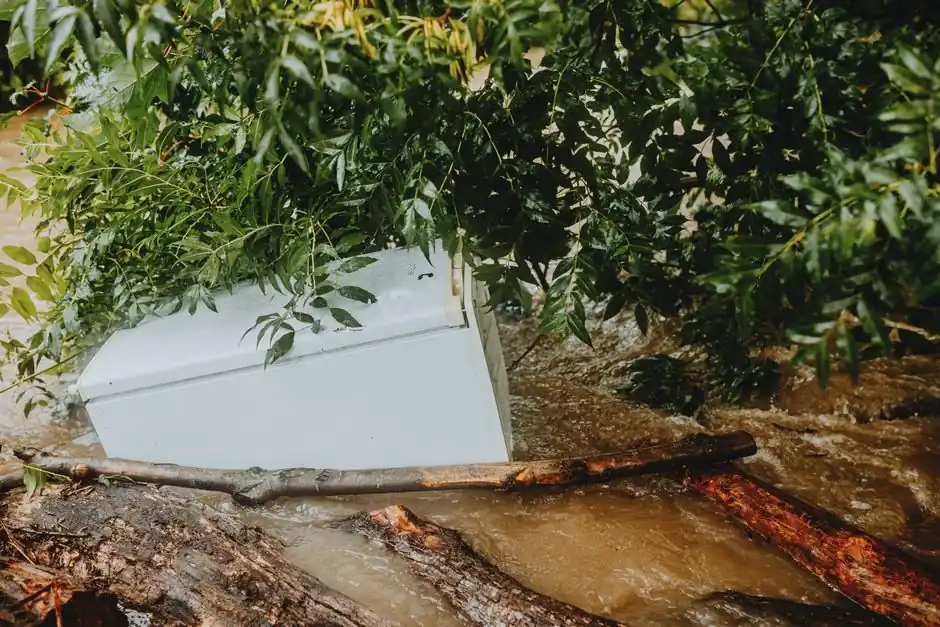
Ceiling Leak from Storm-Damaged Roof
High winds tore shingles off a roof in the East Ward during a storm. Water ran down inside the ceiling cavity and soaked the drywall and insulation above the living room. The drywall was sagging by the next morning. → We removed the sagging drywall and saturated insulation, extracted water from the ceiling cavity, and dried the joists and framing above. Drying took 3 days. The roofer replaced the shingles, and we verified the framing was dry before the ceiling was closed.
Washing Machine Flood in Central Ward Rental
A supply hose failed on a washing machine in a second-floor rental. Water ran through the laundry room, into the hallway, and down through the ceiling of the unit below. Carpet, padding, and subfloor were saturated. → We extracted water from both units, removed wet padding, and dried the subfloor panels and ceiling below. Drying ran 4 days with daily moisture checks. The landlord had a documented scope for the insurance claim and no mold growth.
Problems we solve
Storm Water Problems We Solve in Newark
Storm water finds the lowest point and stays there. These are the calls we get most often from Newark homeowners and property managers after heavy rain.
Basement flooding after heavy rain
We pump the water out with submersible pumps, extract carpet and padding, and set dehumidifiers to pull humidity down. We check the wall cavity with a moisture meter and dry it before we call the job done.
Roof leak soaking ceilings and insulation
We extract water from the ceiling cavity, remove sagging drywall and saturated insulation, and dry the joists and framing above. We coordinate with your roofer so the repair happens before the next storm.
Sewage backup after storm sewer surcharge
We remove contaminated porous materials, bag them for disposal, and apply antimicrobial solution to the framing and subfloor. Then we dry the structure and verify moisture content before any rebuild starts.
Crawl space holding water and humidity
We pump standing water, install polyethylene sheeting where the vapor barrier has failed, and run desiccant dehumidifiers until the space reads dry. We also check pipe insulation and plumber's tape for damage.
Pricing process
What Storm Water Cleanup Costs
$1,200 - $4,500 for most residential jobs; larger commercial losses quoted per scope
Water Category
Clean water from a burst pipe costs less to clean than category 3 sewage backup or storm flood water. Contaminated water requires removing porous materials and applying antimicrobial solution, which adds labor and disposal cost.
Affected Square Footage
The more area that got wet, the more extraction, drying equipment, and monitoring the job needs. A single room is a different scope than a whole basement or two floors of a rowhouse.
Material Type
Carpet and padding are usually removed and replaced. Hardwood floor water damage drying takes longer and needs drying mats. Subfloor panels may need replacement if they have started to delaminate.
Customer reviews
What Newark Customers Say
★★★★★
“Our basement took on about 4 inches of water after a nor'easter. I called at 6 a.m. and the crew was here before 7:30. They pumped it out, pulled the wet carpet, and had dehumidifiers running by lunch. Four days later everything read dry on their meter. They also handled the paperwork with our insurance adjuster, which saved us a lot of back and forth.”
★★★★★
“A pipe burst in the wall above our kitchen in January. Water was coming through the ceiling and we had no idea where to shut it off. They walked us through it on the phone, got here fast, and cut out the wet drywall. The ceiling water damage drying took about four days. No mold, no smell, and the repair looks like nothing happened.”
★★★★★
“We manage six rental units and one flooded from a washing machine hose failure. Newark Water Damage Pros extracted the water, dried the subfloor, and documented everything for the claim. They worked around our tenant's schedule and kept us updated with moisture readings each day. Straight pricing, no surprise charges on the invoice.”
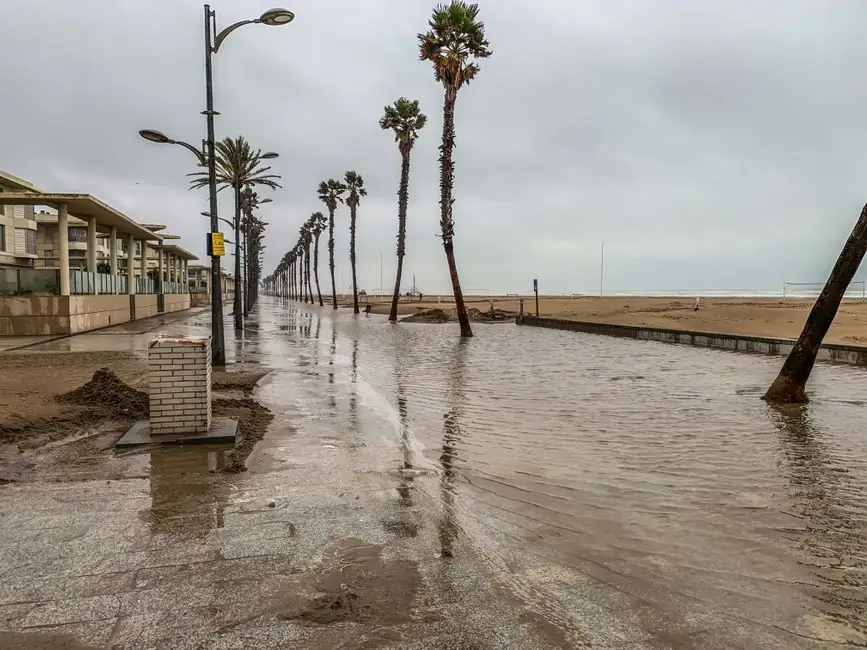
How much does storm water damage cleanup cost in Newark DE?
Most residential storm water damage cleanup Newark DE jobs run $1,200 to $4,500 in 2026, depending on how much water entered and how many rooms are affected. A single flooded basement with carpet extraction and three days of drying typically lands near the lower end. Sewage backup, hardwood floor drying, or crawl space work pushes higher. We give you a written scope and price before we start, and we bill insurance directly when the loss is covered.
Who offers storm damage restoration near me in Newark Delaware?
We do, and we are local. Newark Water Damage Pros runs IICRC-certified crews out of Newark with 24/7 dispatch across New Castle County. We handle storm flooding, burst pipe, roof leak, and appliance leak losses in the 19711, 19713, and 19716 ZIP codes. Call (302) 471-8666 and a real person answers, day or night.
How fast can storm water damage cleanup start in Newark DE?
Extraction usually starts within 60 to 90 minutes of your call for emergency storm water damage cleanup in Newark DE. We stage equipment locally, so we are not waiting on a warehouse pull. If you are in University Heights, Downtown Newark, or the East Ward, arrival is often closer to the 60-minute mark. We start pulling water as soon as we confirm the space is safe to enter.
Does insurance cover storm water damage in Newark Delaware?
Most homeowner policies cover sudden storm water damage, burst pipe, and appliance leak losses, but they usually exclude long-term seepage and foundation seepage that built up over months. We document everything with moisture readings, photos, and an Xactimate scope, then bill your carrier directly. You still pay your deductible. If a claim gets denied, we can walk you through what to ask your adjuster.
Related services
Related Services
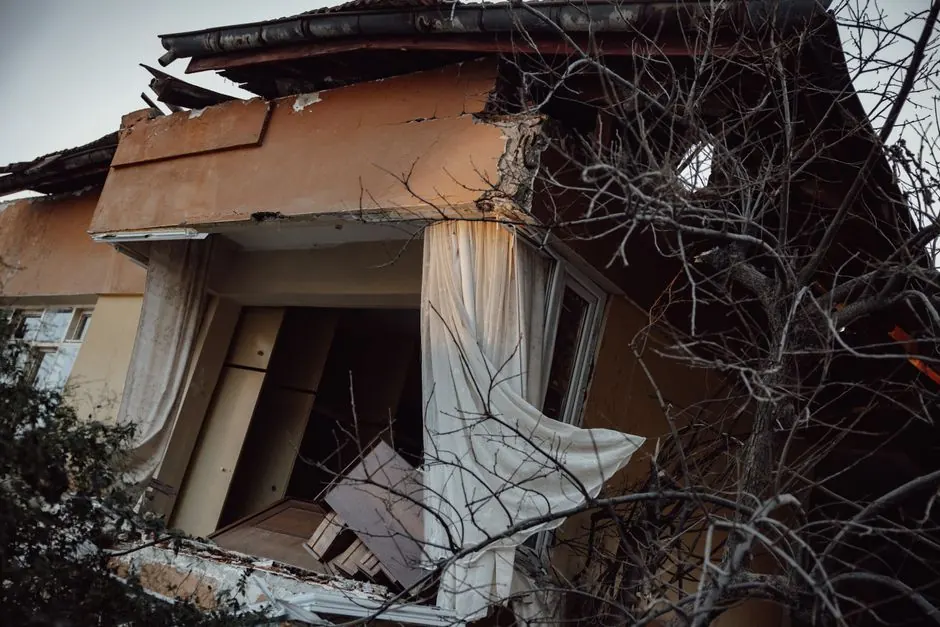
Emergency Water Damage Restoration
When storm water is still rising, emergency water damage restoration is the first phase of storm water damage cleanup Newark DE. We stop the source, extract standing water, and stabilize the structure before full drying begins.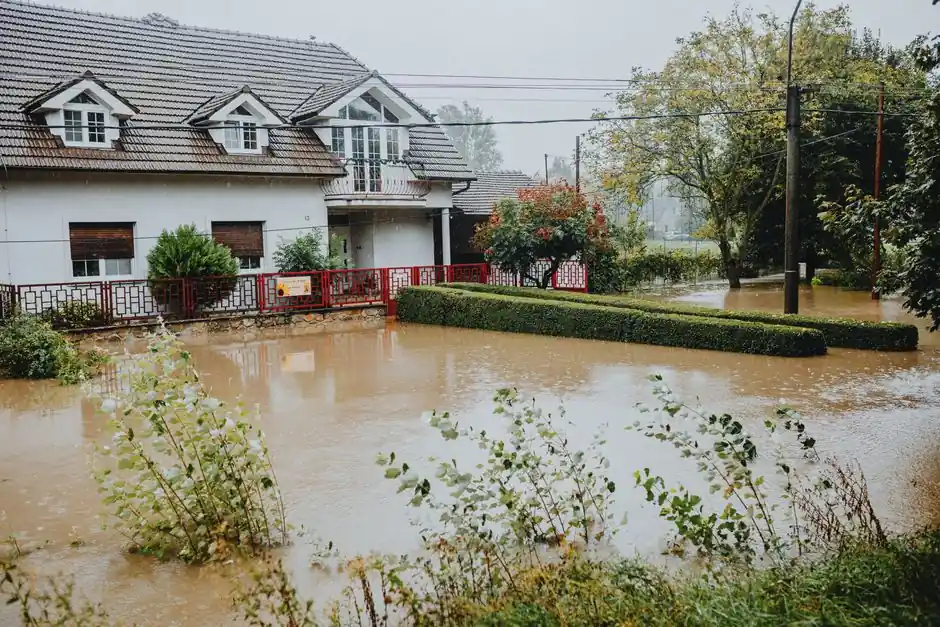
Residential Water Damage Restoration
Most of our Newark storm calls are residential. This covers single-family homes, rowhouses, and apartments from extraction through structural drying, including carpet, hardwood, and subfloor restoration after a storm flood.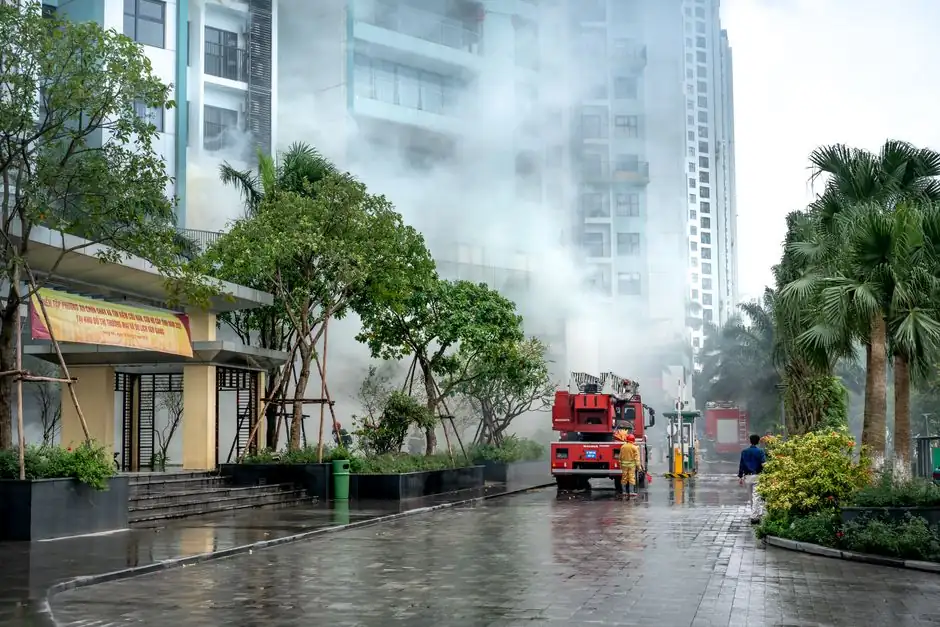
Commercial Water Damage Restoration
Port Newark warehouses and Broadway storefronts need storm water damage cleanup that works around business hours. We scale crews and equipment for larger square footage and coordinate with property managers on access and downtime.Ready when you are
Need Storm Water Damage Cleanup Newark DE Now?
Water spreads fast and mold follows within 48 hours. Call (302) 471-8666 and we will dispatch an IICRC-certified crew to your Newark address, usually within 60 to 90 minutes. We handle extraction, drying, and insurance documentation from start to finish.

Talk with the local team
Request Storm Water Damage Cleanup
Water damage gets worse by the hour, so call instead of emailing if you have standing water right now. We answer (302) 471-8666 around the clock and dispatch across Newark, Delaware and New Castle County. If your situation can wait until morning, send us a note and we will get back to you first thing.