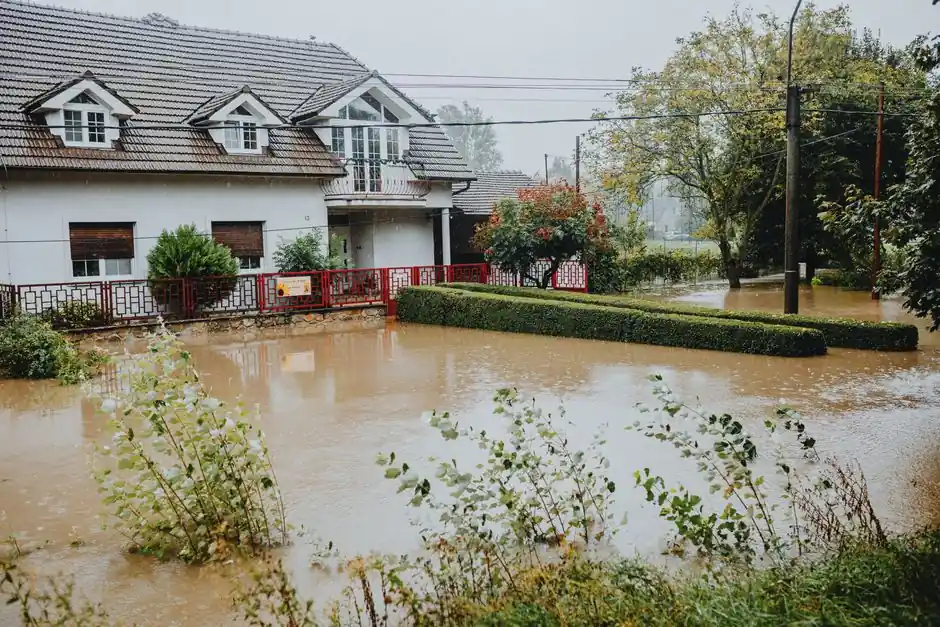
24/7 emergency response, extraction, and structural drying done right
Residential Water Damage Restoration Newark DE You Can Count On
When a pipe bursts or a storm floods your basement, residential water damage restoration Newark DE from our IICRC-certified team gets your home dry fast. We handle home water damage repair Newark DE for homeowners across New Castle County, from Downtown Newark to University Heights. Call (302) 471-8666 and we'll be on-site with extraction and drying equipment the same day.
Live dispatcherUpfront optionsBacked workmanship
What's included
What's Included in Our Water Damage Restoration
Every residential water damage restoration job includes the full sequence from emergency response through final moisture verification. If your home needs reconstruction beyond drying, like replacement drywall or subfloor panels, we handle that too. Here's what you get when you call us.
24/7 Emergency Response
A live person answers your call any hour, any day. We dispatch a crew with extraction and drying equipment, and most Newark addresses see a technician within 60 to 90 minutes. That first hour is when we stop the water from spreading further.
Moisture Detection & Mapping
We use a moisture meter, thermal imaging camera, infrared thermometer, and bore scope camera to find every wet area, including behind walls and under floors. You get a written moisture map that drives the drying plan and supports your insurance claim.
Water Extraction & Removal
Submersible pumps and a water extraction unit remove standing water fast. We pull saturated carpet and padding when needed, and dispose of contaminated materials per Delaware regulations. Extraction usually takes two to four hours.
Structural Drying & Dehumidification
Dri-Eaz and Phoenix air movers evaporate moisture from framing and flooring, while dehumidifiers pull it from the air. We check readings daily with a hygrometer and adjust placement. Most homes dry in three to five days.
Antimicrobial Treatment
We apply antimicrobial solution to framing, subfloor panels, and wet cavities to stop mold growth before it starts. This step is mandatory for category 3 water like sewage backup, and we document it for your insurance file.
Insurance Documentation
We photograph the loss, log all moisture readings, and build Xactimate estimates that adjusters accept. We communicate directly with your carrier so you're not relaying messages. You pay your deductible and we handle the rest.
Service overview
What Residential Water Damage Restoration Newark DE Really Involves
Residential water damage restoration Newark DE is the process of extracting standing water, drying structural materials, and returning your home to pre-loss condition after a leak, burst pipe, or flood. It starts with moisture detection using a moisture meter and thermal imaging camera, then moves through water extraction, dehumidification, and antimicrobial treatment. Every step follows IICRC WRT and ASD standards, so the work is documented, verifiable, and accepted by insurance adjusters using Xactimate estimates.
Newark homes face water damage from burst pipes in winter, slab leaks under finished basements, and storm flooding after heavy rain. Older housing stock near Downtown Newark and the University Heights area often has cast iron drains and original subfloor panels that hold moisture longer than modern materials. If you're searching for residential water damage repair near me Newark, our crew handles everything from a toilet overflow to a full basement water removal, usually within 60 to 90 minutes of your call.

How we workWe verify the cause, compare realistic options, and confirm the repair before we leave.
The service timeline
Our 5-Step Water Damage Restoration Process
The process flexes to the condition, but these checkpoints keep decisions clear.
Emergency Call & Assessment
You call (302) 471-8666 and describe what happened. We ask about the water source, how long it's been running, and whether sewage is involved. A technician arrives with a moisture meter, infrared thermometer, and bore scope camera to map the affected area. This inspection takes 30 to 45 minutes and we give you a written scope before any work begins.
Water Extraction
We remove standing water with submersible pumps and a water extraction unit, then pull residual moisture from carpet and padding with a wet/dry vacuum. For sewage backup or storm flooding, we bag and dispose of contaminated materials. Extraction typically takes two to four hours depending on volume and how far the water spread.
Structural Drying
We set Dri-Eaz and Phoenix air movers to evaporate moisture from walls, floors, and ceilings, paired with dehumidifiers to pull that vapor out of the air. Desiccant units handle tight crawl spaces. We check readings daily with a hygrometer and adjust equipment placement. Most homes dry in three to five days.
Antimicrobial Treatment
Once surfaces are dry, we apply an antimicrobial solution to framing, subfloor panels, and any cavity that was wet. This stops mold growth before it starts. For category 3 water like sewage backup, this step is mandatory and we document it for your insurance file. Treatment adds about one hour to the job.
Final Verification & Repairs
We take final moisture readings and compare them to a dry standard for your home's materials. When readings match, we remove equipment and walk you through the results. If replacement drywall or subfloor panels are needed, we handle that too, so you're not coordinating three different contractors.
Tools & methods
Tools and Methods We Use
Purpose-built equipment, used by trained technicians, so the job is done accurately the first time.
Moisture Meter and Thermal Imaging Camera
We use these together to find hidden moisture behind walls, under floors, and inside ceilings. The moisture meter gives us a reading; the thermal imaging camera shows us where temperature differences reveal wet materials. This is how we map the full extent of the damage.
Bore Scope Camera and Infrared Thermometer
The bore scope camera lets us look inside wall cavities and under subfloor panels without tearing everything open. The infrared thermometer checks surface temperatures to confirm drying progress. Both tools help us avoid unnecessary demolition.
Submersible Pump and Water Extraction Unit
For standing water, we use a submersible pump to move large volumes fast, then a water extraction unit to pull residual moisture from carpet and hard surfaces. This combination clears most rooms in two to four hours.
Dri-Eaz and Phoenix Air Movers
Air movers evaporate moisture from framing, drywall, and flooring by creating high-velocity airflow across wet surfaces. We position them based on the moisture map, not guesswork, and adjust daily as readings change.
Dehumidifiers and Desiccant Units
Dehumidifiers pull evaporated moisture out of the air so it doesn't re-settle into materials. Desiccant units handle tight crawl spaces and cool basements where refrigerant dehumidifiers lose efficiency. We size units to the cubic footage of the affected area.
Hygrometer and Wet/Dry Vacuum
The hygrometer measures relative humidity and verifies that materials have reached a dry standard before we remove equipment. The wet/dry vacuum handles residual water in tight spots the extraction unit can't reach.
Use cases
When to Call for Water Damage Restoration
These examples show how the service framework adapts rather than forcing every call through one repair.
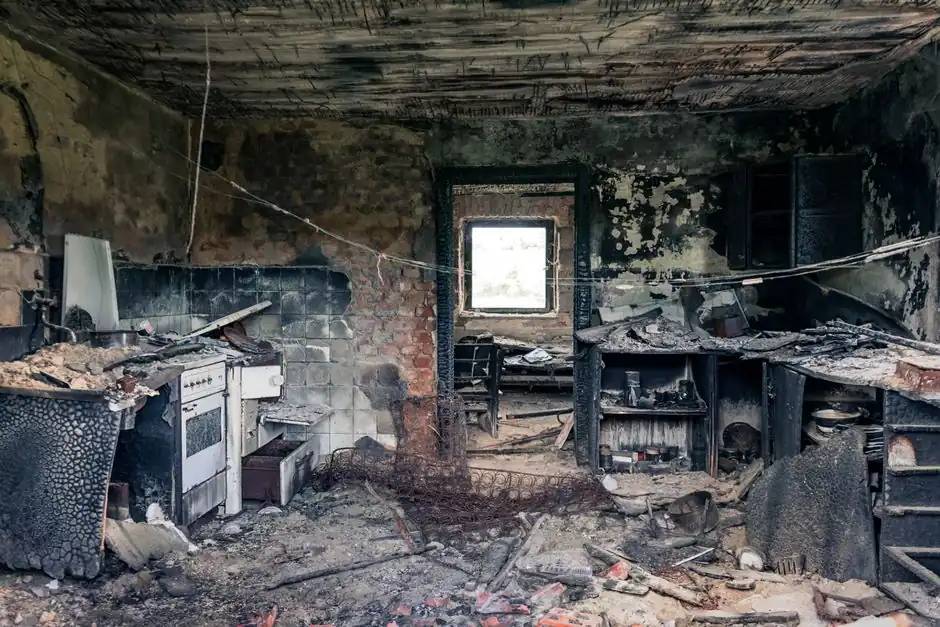
Sewage Backup in a West Side Basement
A heavy summer storm overwhelmed the city sewer and pushed category 3 water into a finished basement. Carpet, drywall, and insulation were contaminated. The homeowner called us the next morning, and the water had been sitting for about 14 hours. → We treated it as a category 3 loss, bagged and disposed of contaminated materials, extracted the remaining water, and applied antimicrobial solution to all framing and subfloor panels. Drying took five days with daily moisture checks. The basement was rebuilt with new drywall and flooring.
Water Heater Failure in Forest Hill
A 12-year-old water heater failed on a Friday night and dumped 50 gallons into a finished basement. Carpet and padding were soaked, and water had wicked up the bottom 6 inches of drywall. The homeowner called us Saturday morning. → We extracted the water, pulled saturated carpet and padding, and dried the subfloor and drywall with air movers and a dehumidifier. Four days of drying brought all readings to the dry standard. The drywall was saved, and only the carpet padding needed replacement.
Problems we solve
Water Damage Problems We Solve for Newark Homeowners
Water damage rarely announces itself clearly. Sometimes it's a visible puddle, sometimes it's a musty smell or a soft spot in the floor. Here are the problems we see most often in Newark homes and how we handle them.
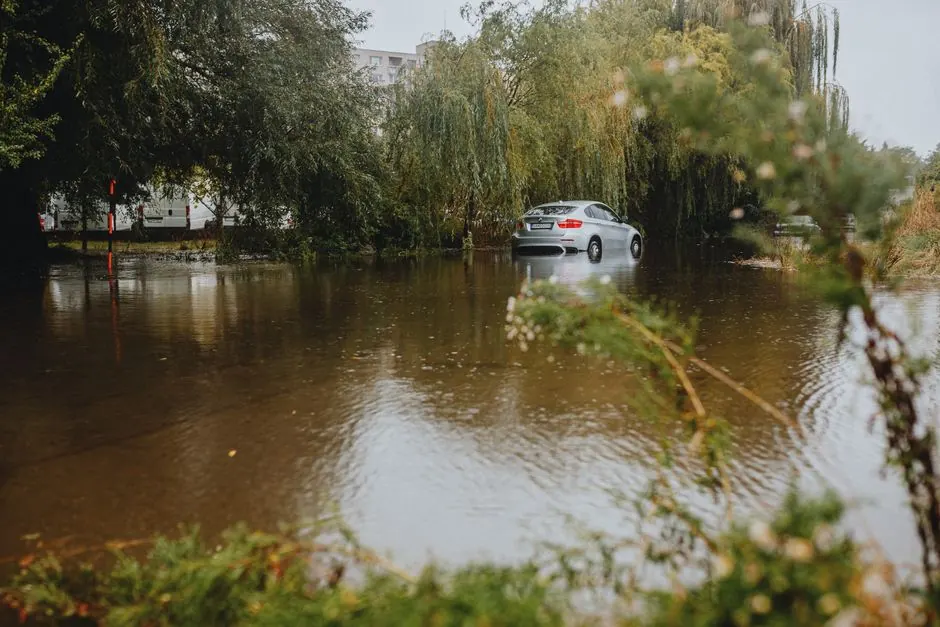
Burst pipe flooding a finished basement
We shut off the water, extract with submersible pumps, remove saturated carpet and padding, and dry the framing and subfloor with air movers and dehumidifiers. Most basement floods in Newark dry in four to five days with daily moisture checks.
Slow leak behind a wall or under a sink
We trace the leak with a moisture meter and bore scope camera, open the cavity if needed, and dry with directed airflow. Catching a slow leak early often means no drywall replacement, just drying and antimicrobial treatment.
Sewage backup after heavy rain
We treat sewage backup as a category 3 loss, bag and dispose of contaminated materials, extract the water, and apply antimicrobial solution to all affected surfaces. We document every step for your insurance claim.
Storm flooding through a foundation crack
We pump out the water, dry the crawl space or basement with desiccant units, and treat framing with antimicrobial solution. We also flag the foundation seepage point so you can get it sealed before the next storm.
Pricing process
What Water Damage Restoration Costs in Newark
$1,200 - $4,500 depending on scope
Water Category
Clean water from a supply line costs less to remediate than category 3 sewage backup. Category 3 requires disposal of contaminated materials, antimicrobial treatment, and more documentation, which adds $800 to $1,500 to a typical job.
Square Footage Affected
A single bathroom is a smaller job than a full basement. Pricing scales with the area that needs extraction, drying equipment, and monitoring. Most single-room jobs land under $2,500, while full-basement floods run $3,500 to $4,500.
Drying Duration
Most homes dry in three to five days, but saturated subfloor panels or thick hardwood can push it to seven. Each additional day adds equipment rental and monitoring time, usually $150 to $250 per day.
Customer reviews
What Newark Homeowners Say
★★★★★
“A pipe burst in our upstairs bathroom at 11 p.m. and water was coming through the kitchen ceiling by midnight. Newark Water Damage Pros had a crew here in about an hour. They extracted everything, set air movers and a dehumidifier, and checked readings every day for four days. The ceiling dried without replacement and our insurance covered it.”
★★★★★
“Our water heater let go in the basement and soaked the carpet and half the drywall. They pulled the carpet, dried the subfloor, and treated everything with antimicrobial. The moisture logs they gave us matched what the adjuster wanted, so the claim went through without a fight. Took five days start to finish.”
★★★★★
“We had sewage backup in the basement after a heavy rain. They treated it as category 3, bagged the contaminated materials, and disinfected the whole area. I was worried about mold, but they showed me the final moisture readings and everything was dry. Honest pricing and they explained each step.”
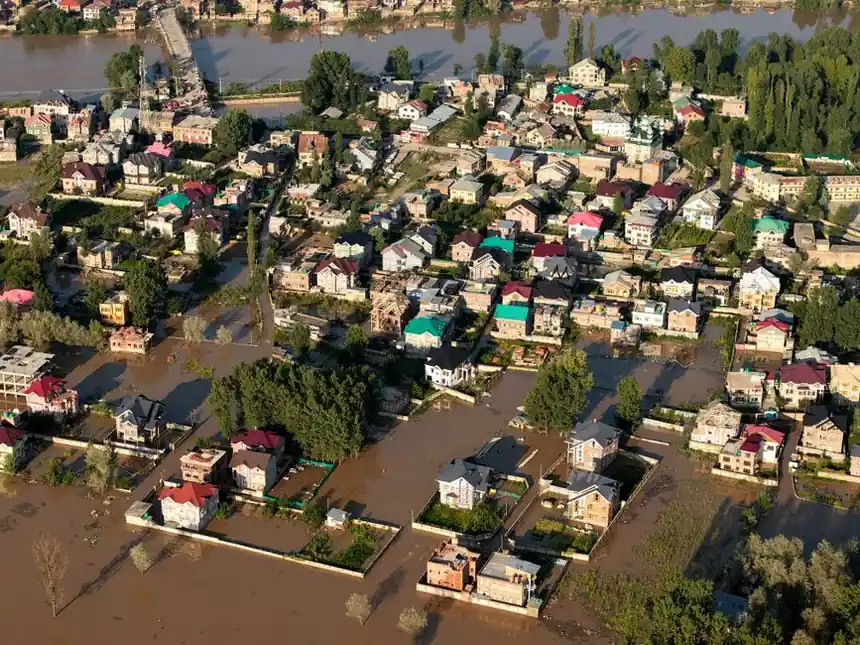
How much does residential water damage restoration cost in Newark DE?
Most residential jobs in Newark run $1,200 to $4,500, with typical single-room extraction and drying landing around $1,800 to $2,800 in 2026. Cost depends on water category, square footage affected, and how many days of drying are needed. Sewage backup and storm flooding cost more because of contaminated material disposal. We give you a written scope before work starts, and most of it goes through your homeowners insurance.
Who is the best home water damage repair company in Newark Delaware?
The best company is the one that shows up fast, documents everything, and verifies dryness with real readings. We hold IICRC WRT and ASD certifications, carry a New Castle County contractor license, and use Xactimate so your adjuster accepts the estimate. Call (302) 471-8666 and ask for our moisture-log sample. We'll show you exactly how we prove a home is dry.
Does homeowners insurance cover residential water damage in Newark?
Yes, most homeowners policies in Newark cover sudden and accidental water damage like a burst pipe, appliance leak, or toilet overflow. Storm flooding and sewage backup usually need a separate rider or flood policy. We document the loss with photos and moisture maps, build the Xactimate estimate, and talk to your adjuster directly so the claim moves. You pay your deductible.
How long does residential water damage restoration take in Newark DE?
Extraction takes two to four hours, and structural drying typically runs three to five days. A small toilet overflow in a bathroom might be fully dry in three days. A full basement flood with soaked subfloor panels can take five to seven days. We check moisture daily and don't pull equipment until readings match your home's dry standard.
Related services
Related Services
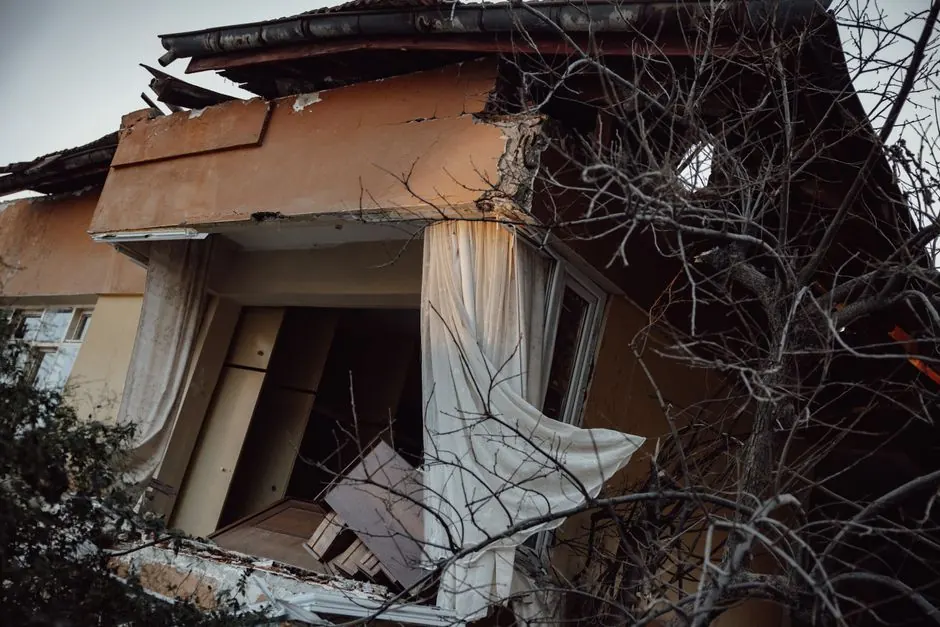
Emergency Water Damage Restoration
When water is actively running, emergency water damage restoration stops the source and starts extraction immediately. We handle burst pipes, appliance failures, and storm intrusion across Newark. Call (302) 471-8666 and we dispatch a crew 24/7 with pumps and drying equipment ready.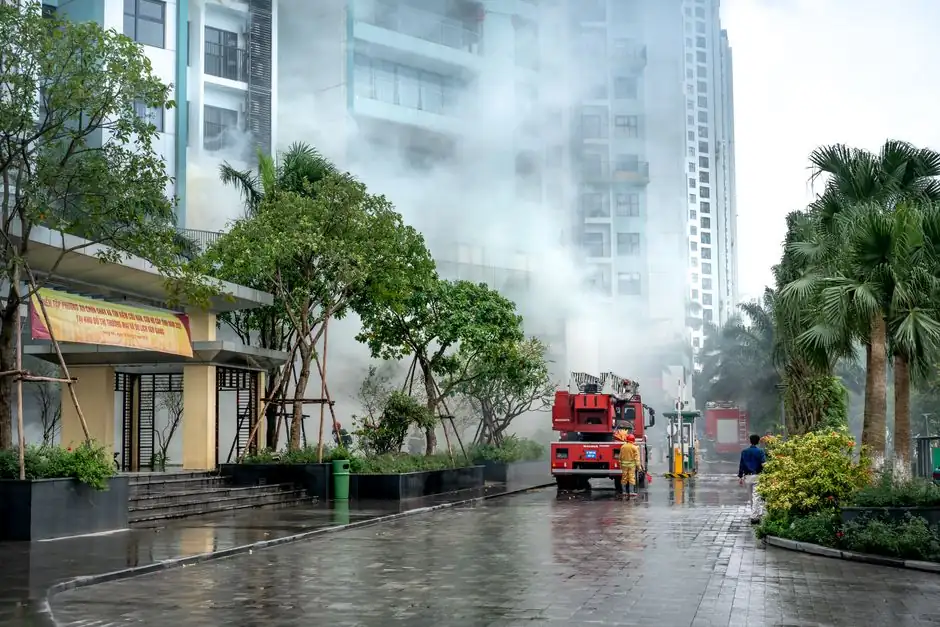
Commercial Water Damage Restoration
Offices, retail spaces, and restaurants in Downtown Newark and along Broadway need water damage handled without shutting down longer than necessary. We scale crews and equipment to the square footage, work after hours, and document everything for your commercial carrier. Same IICRC standards as our residential work.
Emergency Water Extraction
Standing water damages flooring and drywall by the hour. Our emergency water extraction uses submersible pumps and a water extraction unit to remove hundreds of gallons fast. We serve ZIP codes 19713, 19711, and 19716 with same-day response, then set drying equipment before we leave.Ready when you are
Call Now for Residential Water Damage Restoration Newark DE
Water spreads fast and mold starts in 24 to 48 hours. Our IICRC-certified crew is on call 24/7 across Newark and New Castle County with extraction and drying equipment ready. Call (302) 471-8666 and we'll be on-site the same day.
Talk with the local team
Request Residential Water Damage Restoration
Water damage gets worse by the hour, so call instead of emailing if you have standing water right now. We answer (302) 471-8666 around the clock and dispatch across Newark, Delaware and New Castle County. If your situation can wait until morning, send us a note and we will get back to you first thing.