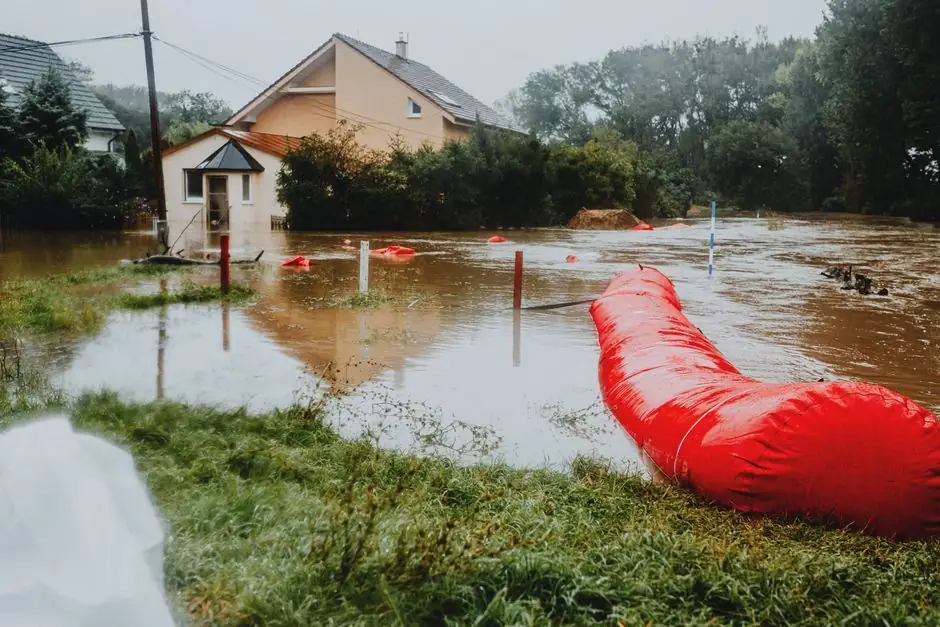
Standing water out fast, structure dried to standard
Basement Water Removal Newark DE: Pumped, Dried, and Done
When your basement is holding water, basement water removal Newark DE is the call that stops the damage from spreading. We pump out standing water, extract what the pump can't reach, and dry the slab, framing, and contents before mold gets a foothold. Homeowners and property managers across Newark, Delaware call us for flooded basements after storms, burst pipes, and sump failures. We answer 24/7 and roll trucks with extraction and drying gear already loaded.
Live dispatcherUpfront optionsBacked workmanship
What's included
What Our Basement Water Removal Service Includes
Our standard basement water removal Newark DE service covers the full path from standing water to documented dry structure. Here's what's included, and where additional work like drywall replacement or plumbing repair comes in.
Water Source Inspection
We identify what caused the flood before we start drying. A moisture meter, thermal imaging camera, and bore scope camera help us trace a burst pipe, slab leak, foundation seepage, or appliance leak so the same problem doesn't flood your basement again.
Pumping and Extraction
Deep water comes out with a submersible pump, and the rest gets pulled with a water extraction unit and wet/dry vacuum. We work carpet, concrete, and low spots until no standing water remains.
Antimicrobial Treatment
Wet framing, concrete, and any contaminated surfaces get treated with antimicrobial solution. This matters after sewage backup or storm flooding, where bacteria and mold risk are highest.
Structural Drying Setup
Air movers and dehumidifiers get positioned to dry the slab, walls, and framing. We use polyethylene sheeting to contain moisture where needed and check readings daily with a hygrometer and moisture meter.
Moisture Verification and Documentation
We don't pull equipment until readings confirm dry standard. You get before-and-after photos and moisture logs formatted for your insurance adjuster, which speeds up claim approval.
Service overview
What Basement Water Removal Newark DE Actually Involves
Basement water removal Newark DE is the process of pumping, extracting, and drying a flooded or damp basement back to a safe, dry condition. It starts with finding where the water came from, because pumping a basement without fixing the source just means you'll do it again next week. We use a submersible pump for deep standing water, then a water extraction unit and wet/dry vacuum for the shallow stuff the pump leaves behind. From there, air movers and dehumidifiers run until a moisture meter and hygrometer tell us the slab, walls, and framing have hit dry standard.
Most Newark basements flood for one of a handful of reasons: a sump pump that quit during a storm, a burst pipe behind the laundry wall, foundation seepage after a long rain, or a water heater letting go. The city's older housing stock and clay-heavy soil make all of those more likely. If you're searching for basement water removal near me Newark DE at 2 a.m., you're not alone. We take those calls every week and we know how to get water out before it wicks into drywall and subfloor panels.
How we workWe verify the cause, compare realistic options, and confirm the repair before we leave.
The service timeline
Our Basement Water Removal Process
The process flexes to the condition, but these checkpoints keep decisions clear.
Call and Triage
You call (302) 471-8666 and describe what you're seeing: how deep the water is, whether it's still coming in, and what's stored down there. We ask about the source, because a burst pipe or sewage backup changes how we approach the job. We give you a realistic arrival window and tell you what to shut off or move before we get there.
Inspect and Source
On arrival we check the water source first. A submersible pump goes in for deep water, and we use a bore scope camera and infrared thermometer to trace where the moisture traveled. If it's a slab leak, foundation seepage, or appliance leak, we identify it before we start drying so the problem doesn't come back.
Extract and Pump
Standing water gets pumped out, then a water extraction unit and wet/dry vacuum pull the rest from carpet, concrete, and low spots. On a typical Newark basement with a few inches of water, extraction takes two to four hours. Deeper floods or sewage backup take longer and get treated as contaminated water.
Dry and Sanitize
Air movers and dehumidifiers go in, positioned to move air across the slab and up the walls. We apply antimicrobial solution to wet framing and concrete, and set polyethylene sheeting where we need to contain moisture. Drying usually runs two to four days, and we check readings daily with a moisture meter and hygrometer.
Verify and Document
We don't pull equipment until readings confirm dry standard. You get a final walkthrough, photos of the before and after, and moisture logs you can hand to your insurance adjuster. If any drywall or subfloor panels need replacement, we flag it and can schedule that work before we leave.
Tools & methods
Tools and Methods We Use for Basement Water Removal
Purpose-built equipment, used by trained technicians, so the job is done accurately the first time.
Submersible pump
Pulls deep standing water out of a flooded basement fast, including water the shop vac can't reach. We use it first on any flood deeper than an inch or two.
Water extraction unit
Commercial extraction pulls water from carpet, pad, and concrete after the pump has done its job. It's the difference between damp and dry.
Dri-Eaz and Phoenix air movers
Directed airflow dries slab, walls, and framing. We position them to move air across wet surfaces and into the dehumidifier's intake.
Dri-Eaz and Phoenix dehumidifiers
Pulls moisture out of the air so wet materials can actually dry. Without dehumidification, air movers just circulate humid air around the basement.
Moisture meter and hygrometer
Gives us hard numbers on material moisture and air humidity. We log readings daily and don't pull equipment until they hit dry standard.
Thermal imaging camera and infrared thermometer
Finds hidden moisture behind walls and under floors without tearing anything open. Essential for tracing a leak's full path.
Bore scope camera
Lets us look inside wall cavities and under slabs to confirm a leak source and verify the cavity is dry before we finish.
Use cases
When to Call for Basement Water Removal
These examples show how the service framework adapts rather than forcing every call through one repair.
Burst Pipe in Ironbound Finished Basement
A supply pipe burst behind the laundry wall and flooded 400 square feet of finished basement. Carpet, pad, and the bottom two feet of drywall were soaked, and the homeowner found it the next morning. → We shut off the water, extracted the carpet, pulled it back to dry the pad and slab, and dried the wall cavity with directed airflow. Four days of drying brought all readings to standard. Only the bottom 12 inches of drywall needed replacement.
Sewage Backup in Downtown Newark Rental
A tenant reported a sewage backup that spread across 300 square feet of basement floor. The water was contaminated, and a mop had already spread it around before we arrived. → We treated it as Category 3 water: extracted, removed unsalvageable cardboard and rugs, applied antimicrobial solution, and dried with equipment rated for contaminated water. Five days later, readings confirmed dry standard and the space was safe to use.
Problems we solve
Basement Water Problems We Solve in Newark
Most Newark basement floods trace back to a handful of causes. Here's what we see most often and what happens if you leave it alone.
Sump pump failure during a storm
We pump the standing water, extract what's left, and dry the slab and walls. We also flag whether your sump needs a battery backup so the next storm doesn't repeat the flood.
Burst pipe behind a basement wall
We shut down the source, extract the water, and dry the wall cavity and framing. We use a bore scope camera to confirm the cavity is dry before we close anything up.
Foundation seepage after heavy rain
We extract standing water, dry the slab and lower walls, and run dehumidification to pull moisture from the air. We also point out drainage and grading issues that let water back in.
Sewage backup in the basement
We treat it as contaminated water: extract, remove unsalvageable materials, apply antimicrobial solution, and dry with equipment rated for Category 3 water. Documentation supports your insurance claim.
Pricing process
Basement Water Removal Cost in Newark DE
$450 - $2,800 depending on scope
Water depth and volume
An inch of water across a small basement is a different job than a foot of standing water. Deeper floods take longer to pump, need more extraction passes, and often require more drying equipment.
Square footage affected
A 300-square-foot utility basement dries faster and cheaper than a 1,000-square-foot finished space. More surface area means more air movers, more dehumidifiers, and more monitoring time.
Water category
Clean water from a supply line is the simplest job. Gray water from a washing machine or dishwasher needs more sanitizing. Sewage backup is treated as contaminated and costs more because of material removal and antimicrobial treatment.
Customer reviews
What Newark Customers Say About Our Basement Water Removal
★★★★★
“Our sump pump died during a storm and we had four inches of water in the basement by morning. They were at the house within two hours of my call, pumped it out, and had air movers running the same day. The moisture logs they gave us made the insurance claim painless. Four days later the basement was dry and the readings proved it.”
★★★★★
“I manage three rental units near Downtown Newark and a water heater let go in one of them. They handled the extraction, dried the unit, and documented everything for the claim. Tenants were back in the space in under a week. I've used them twice since for other water issues.”
★★★★★
“A pipe burst behind our laundry wall and flooded the finished basement. They found the leak, pumped the water, and pulled the wet carpet back to dry the pad and slab. Honest about what needed replacing and what didn't. No surprise charges, and the basement smells normal again.”
Questions before we arrive
Frequently Asked Questions About Basement Water Removal
How much does basement water removal cost in Newark DE?
Most residential basement water removal jobs in Newark run $450 to $2,800, with typical single-family floods landing around $1,200 to $1,800. Cost depends on water depth, square footage, whether the water is clean or contaminated, and how many days of drying are needed. Sewage backup and finished basements with soaked drywall sit at the higher end. We give you a price before we start.
Who offers basement flood cleanup near me in Newark Delaware?
Newark Water Damage Pros offers basement flood cleanup Newark DE around the clock, including nights, weekends, and holidays. We're licensed in Delaware, hold New Castle County contractor licensing, and carry IICRC WRT and ASD certifications. Call (302) 471-8666 and we'll give you an arrival window and tell you what to do while you wait.
How do you remove standing water from a Newark basement?
We pump deep water with a submersible pump, then pull the remaining water from carpet and concrete with a water extraction unit and wet/dry vacuum. After extraction, air movers and dehumidifiers run until a moisture meter and hygrometer confirm dry standard. A typical few-inch flood takes two to four hours to extract and two to four days to dry.
Does insurance cover basement water removal in Newark Delaware?
Most homeowner policies cover sudden and accidental water damage, like a burst pipe or failed water heater, but often exclude long-term seepage and surface flooding. We photograph the scene, log moisture readings, and document the source so your adjuster has what they need. We work with Xactimate, the estimating software most carriers use, which speeds up the claim.
Related services
Related Water Damage Services in Newark
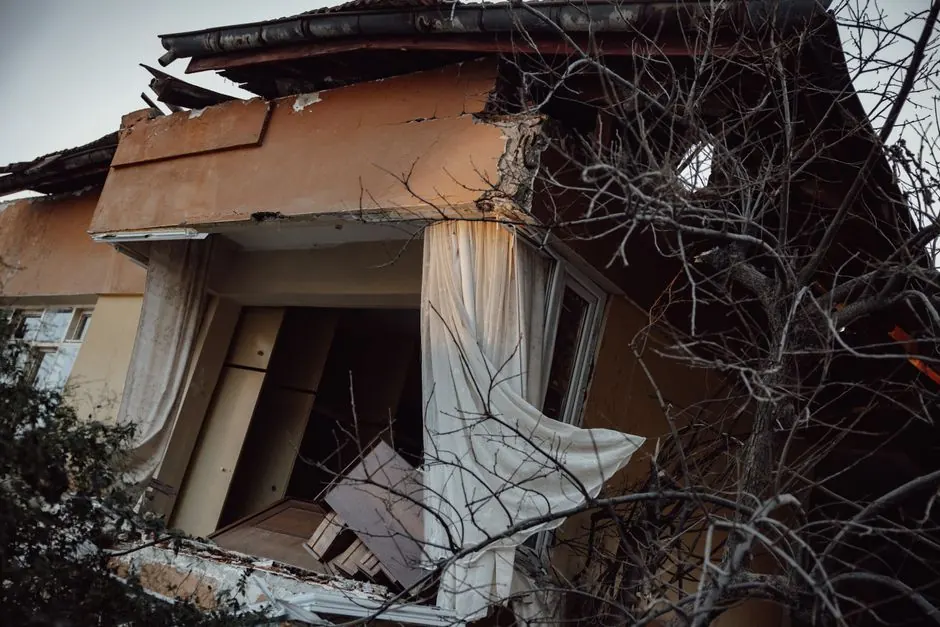
Emergency Water Damage Restoration
When a basement flood spreads into living space, emergency water damage restoration picks up where extraction leaves off. We dry walls, ceilings, and floors in one coordinated job so your Newark home returns to normal faster.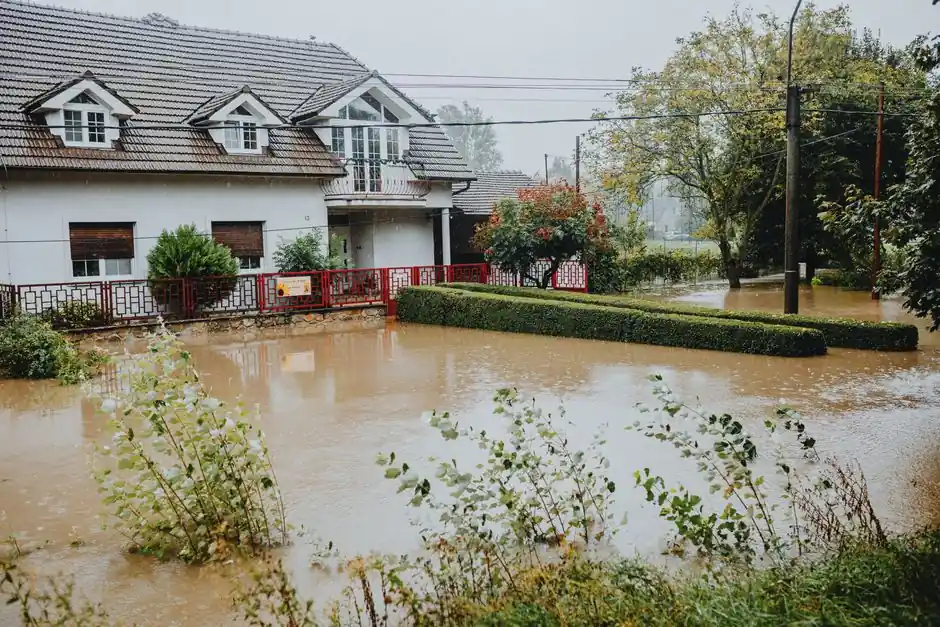
Residential Water Damage Restoration
Most of our basement work is residential. We handle single-family homes, townhouses, and duplexes across Newark, from finished basements with carpet to bare concrete floors with stored belongings.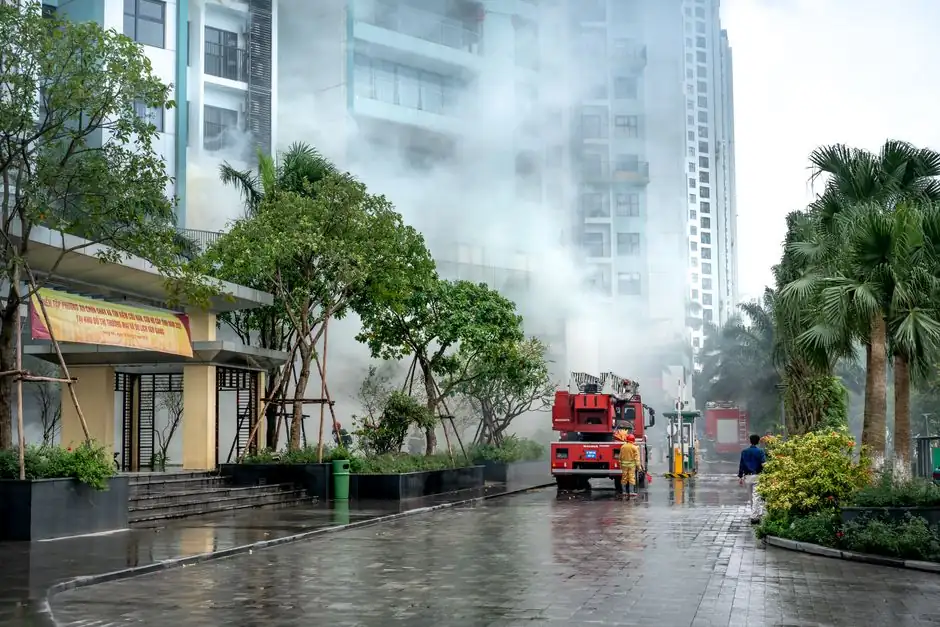
Commercial Water Damage Restoration
Newark businesses with basement storage, server rooms, or utility areas need water out without shutting down operations. We schedule around your hours and document everything for your commercial claim.Ready when you are
Need Basement Water Removal Newark DE Right Now?
Every hour water sits in your basement, it climbs higher into drywall and subfloor. We're licensed, insured, and answering calls 24/7. Call (302) 471-8666 and we'll give you a straight arrival window and a price before we start.

Talk with the local team
Request Basement Water Removal
Water damage gets worse by the hour, so call instead of emailing if you have standing water right now. We answer (302) 471-8666 around the clock and dispatch across Newark, Delaware and New Castle County. If your situation can wait until morning, send us a note and we will get back to you first thing.